Is Your Urinary System Incontinence As A Result Of Vaginal Atrophy?: Alternative Ob Gyn & Midwifery: Licensed Nurse Midwives
Menopause home-based incontinence treatment And Urinary System Incontinence: Reasons And Treatments
Therapists use led exercises, breathing strategies, and pose training to assist boost strength, control, and relaxation. It can aid with much better bladder control, minimized pelvic pain, and boosted confidence and quality of life. Amongst postmenopausal women, UI is still a common and complex trouble that has a considerable negative effect on well-being and lifestyle. A detailed technique to this trouble will reduce UI's negative results on society all at once while concurrently enhancing specific health outcomes. Thankfully, numerous monitoring methods and therapies are readily available for UI, and females experiencing this concern needs to not hesitate to look for assistance. Way of living adjustments, such as weight monitoring, pelvic floor exercises (like Kegel workouts), and bladder training can be helpful.Finding Remedy For Urinary Incontinence Throughout Menopause
Also if your UI is irreversible, you can take actions to far better boost your monitoring of your signs and symptoms. For example, you can check your local pharmacy for absorbent pads and protective undergarments for adults with UI. A lot of these products are thin and easy to put on under your clothing, without anybody observing.# 4 When Essential, Reduce Need To Pee
Drugs may be useful in managing light to modest signs and symptoms of urinary incontinence, especially when made use of along with pelvic floor therapy. Menopause, regardless of its obstacles, represents a transformative stage in a ladies's life. By leveraging and promoting for offered treatment alternatives, embracing self-care practices, and seeking support from health care experts, ladies can with confidence live and flourish in this new stage of life. Ladies can reclaim control over their menopause signs and symptoms by speaking up and refusing to accept that they need to deal with menopause-related signs or by being disregarded by doctor. More than half of all ladies will certainly experience pelvic organ prolapse (POP) in their lifetime.1 Signs and symptoms can consist of pelvic heaviness, a sensation that something is "falling out," urinary incontinence, or ... In a bowing position, our muscle mass aren't in prime peeing placement.Early assessment and treatment can aid protect against signs from advancing and boost long-term bladder wellness and comfort. Urinary urinary incontinence happens when you can not control your bladder and unintentionally release urine. One of the most typical types of incontinence are tension incontinence and prompt incontinence. Some people with moderate symptoms around menopause might not get dramatically worse, specifically if they take actions like reinforcing their pelvic flooring, keeping a healthy and balanced weight, or seeking therapy early. Remarkably, new-onset incontinence is less common right after menopause than during the change, suggesting points might briefly maintain for some. Early indicators may include much more constant restroom visits, periodic leakages, or boosted urgency.
A lot of troubles with bladder control while pregnant vanish after childbirth when the muscle mass have actually had time to heal. For urinary system incontinence, Dr. Perez utilizes da Vinci surgical procedure to fix and bring back harmed pelvic floor tissue, creating a solid assistance for your bladder and various other pelvic body organs. Almost half of all ladies experience symptoms of urinary system incontinence at some time throughout their lives, with that said portion increasing when a lady remains in menopause.Bladder Control Products
- We'll stroll you via descriptions and what you can do to improve total urinary system tract health and wellness.
- Research studies show that as much as 1/3 of males and females in the united state deal with urinary incontinence, making it a much more usual trouble than most individuals realize.
- Over time, the bladder sheds tone and it ends up being tougher to clear the bladder totally.
Any type of inconsistencies or differences were settled with agreement and academic consideration. An unbiased analysis device was developed to assess the prospective risk of predisposition in the included research study. The influence of UI during menopause expands much beyond the physical signs and symptoms. Numerous ladies report feelings of shame, anxiousness, and social isolation pertaining to their condition. These emotional results can lead to decreased self-confidence and hesitation to engage in social or physical activities.

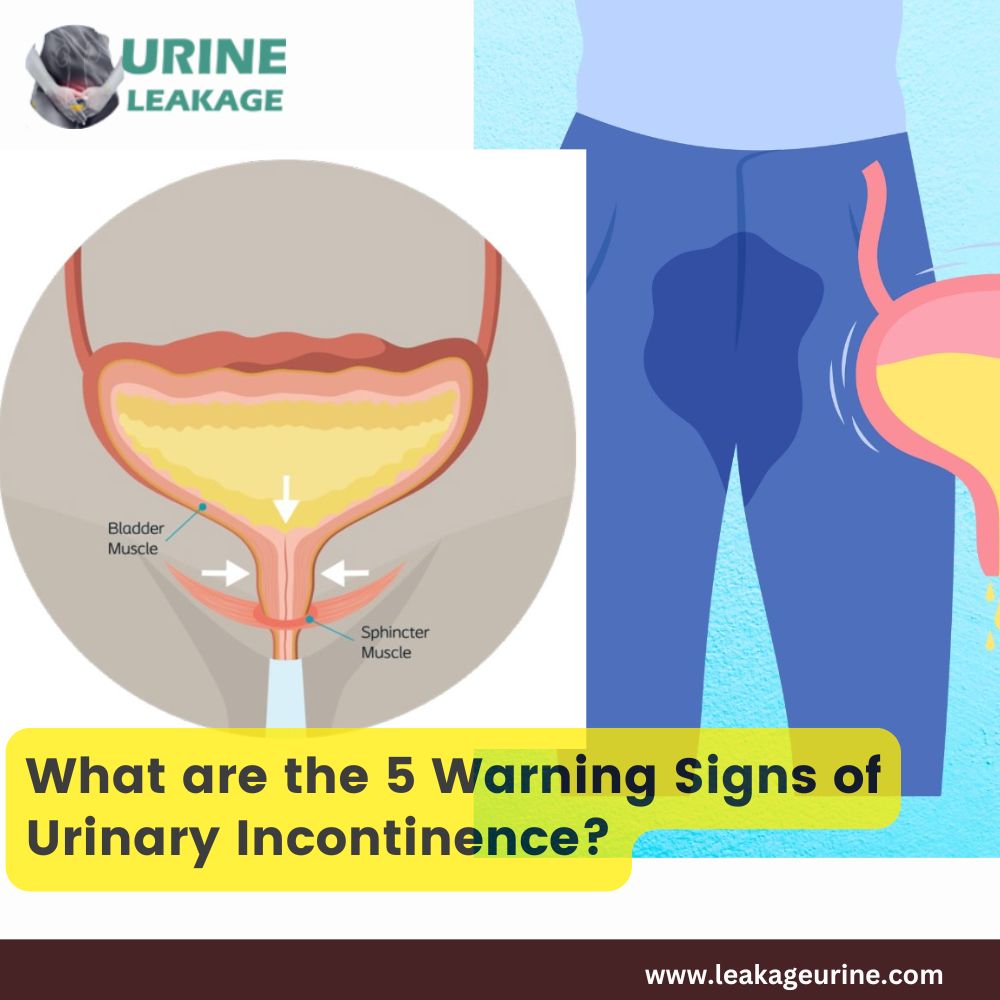
As a matter of fact, 40-57% of postmenopasual ladies have signs of genital atrophy, and on the urinary incontinence side, more than 50% of older women experience it. Pelvic floor exercises, bladder training, staying moisturized, and preserving a healthy and balanced weight can help. Avoid bladder irritants and talk to your physician about therapy alternatives. This hormone helps loosen up smooth muscle cells throughout the body, including components of the urinary tract. During times of hormonal variation, such as pregnancy or the menstruation, progesterone changes might change bladder sensitivity and add to feelings of urgency or stress. Hormone therapy, specifically localized vaginal estrogen, might aid by strengthening the urethral lining and boosting blood circulation. Some women experience decreased signs and symptoms of impulse and stress incontinence with hormone-based treatments.